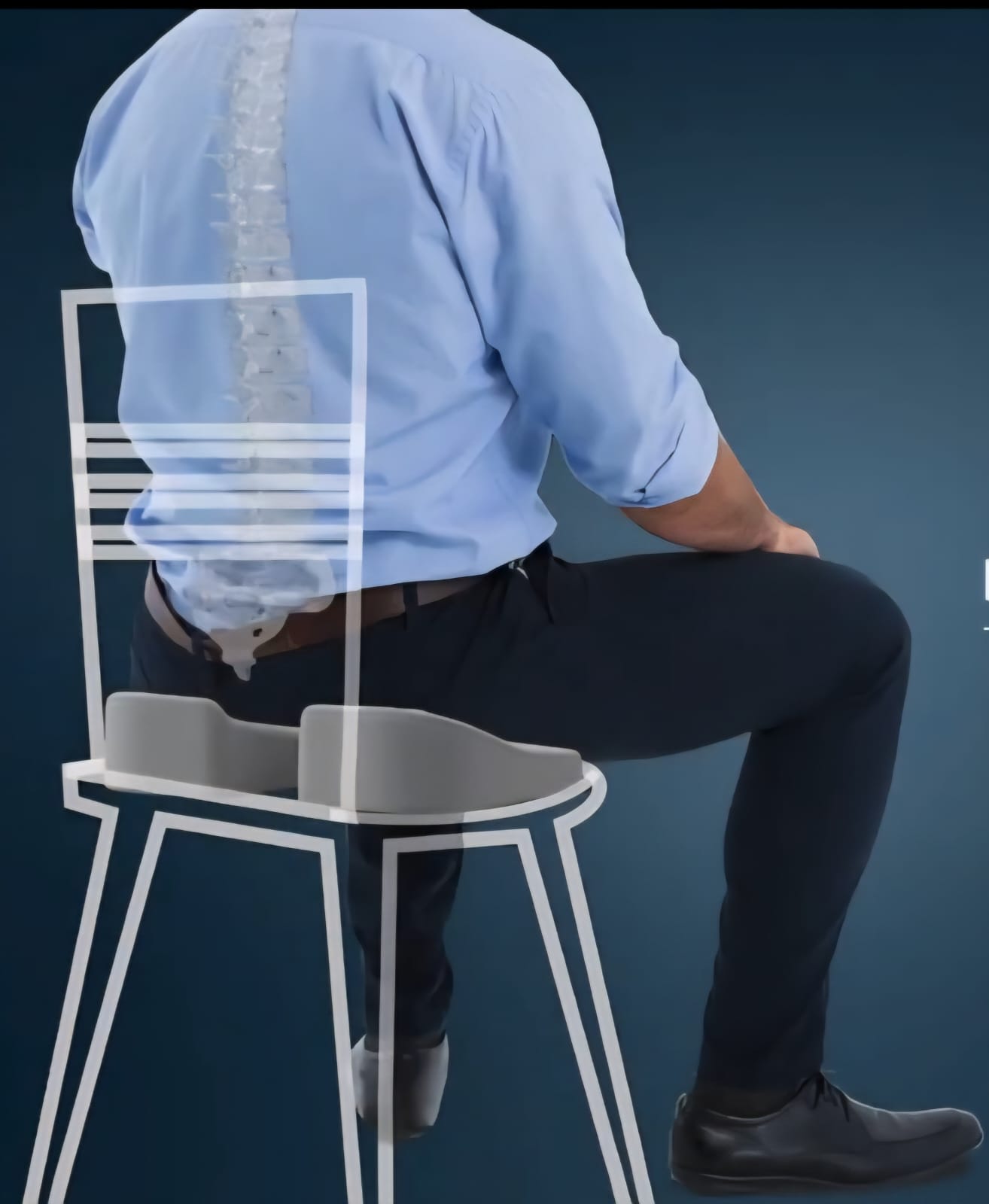
Back pain is one of the most common sources of discomfort among adults. It can affect almost anyone, from office workers and drivers to pregnant women, older adults and people who spend long hours sitting. While some back pain is temporary, recurring or persistent pain can interfere with work, sleep, movement and overall quality of life. Understanding its causes and risk factors is an important step toward prevention and relief. Types of Back Pain Back pain can be classified according to its location and duration. Lower back pain is the most common and affects the lumbar region of the spine. Upper and middle back pain may affect the area around the shoulders, ribs and thoracic spine. Back pain can also be acute, developing suddenly and lasting for a relatively short period, or chronic, when it persists or repeatedly returns over a longer period. The intensity may range from mild discomfort and stiffness to severe pain that makes movement difficult. What Causes Back Pain? Back pain can have many causes. Muscle strain, ligament strain, poor lifting techniques, injuries and excessive physical activity can place stress on the spine and surrounding tissues. Other conditions, such as arthritis, slipped or herniated discs and age-related changes in the spine, can also contribute to pain. In many people, however, discomfort is associated with the way they sit, stand, work or move for extended periods. Poor sitting posture can place uneven pressure on the spine and cause the muscles supporting the back to work harder than necessary. Who Is at Risk? Several factors can increase the likelihood of experiencing back pain. Age is an important factor because the spine naturally undergoes changes over time. Pregnancy can also contribute to back discomfort as the growing baby changes body weight distribution and places additional demands on the lower back. Women may continue experiencing discomfort after delivery, particularly while recovering physically and while frequently lifting, feeding or carrying a baby. Other risk factors include prolonged sitting, sedentary lifestyles, inadequate physical activity, repetitive bending or lifting, physically demanding work, excess body weight and poorly designed chairs. How Ergonomic Cushions Can Help The right sitting support can make a significant difference, particularly for people who spend many hours seated. Ergonomic lumbar pillows are designed to support the natural inward curve of the lower spine. Their contoured shape helps fill the gap between the lower back and the chair, encouraging a more neutral sitting posture and reducing unnecessary strain on the back muscles. Ergonomic seat cushions provide additional support beneath the pelvis and buttocks. Their shaped surfaces can help distribute body weight more evenly and reduce concentrated pressure caused by hard, flat or poorly designed seats. Many quality ergonomic cushions use memory foam, which responds to body heat and pressure, allowing the cushion to conform to the user's body. This can improve comfort while providing supportive cushioning. Some designs also incorporate contoured or anatomical shapes, breathable covers and non-slip bases to improve stability and usability. It is important to remember that cushions are not a cure for every type of back pain. However, when combined with good posture, regular movement, appropriate exercise and a properly adjusted workstation or seat, ergonomic lumbar and seat cushions can help reduce sitting-related discomfort and support healthier sitting habits. Your back works hard every day. Give it the support it deserves.
Back Pain: Understanding the Causes—and How Better Sitting can Help